Free Cap Rate Calculator
Calculate NOI, cap rate, and property value in seconds. AI-powered analysis for single-family, multifamily, and commercial deals.
Tell Freddie about your property:
What you get — free
NOI Calculator
Gross rent minus vacancy, management, taxes, insurance, and maintenance — real NOI, not inflated estimates.
Cap Rate by Market
Freddie benchmarks your cap rate against Northern Virginia and national comps so you know where you stand.
Value from Cap Rate
Work backwards: enter your target cap rate and NOI to see what you should pay for the property.
Deal Score 0–100
Cap rate feeds your overall deal score. Know instantly if this is an A or F deal.
Flip vs Hold Comparison
Freddie models both exits. If the cap rate is too low, the flip analysis may be the better angle.
Free Forever
Core analysis always free. No credit card. No expiration.
Why this Northern Virginia hoarder house wasn't a cap rate play
When we found this heavily distressed hoarder house, someone asked us about the cap rate. The answer was simple: there is no cap rate when a property generates zero rent and has years of deferred maintenance. Cap rate is a stabilized rental metric — and this property was nowhere near stabilized. The play here was wholetail: buy fast, clean out, resell as-is to a renovator. We purchased at $210K, spent $5K on cleanout, and sold for $349K in 30 days. No cap rate math required. Freddie scored it 100/100.
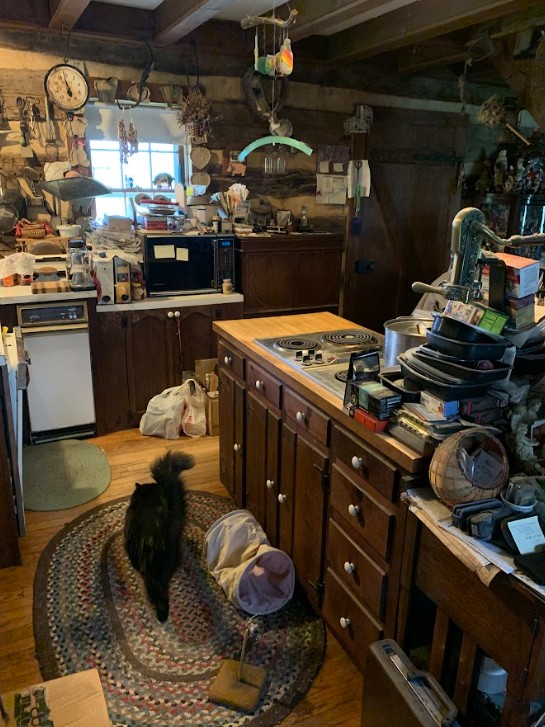
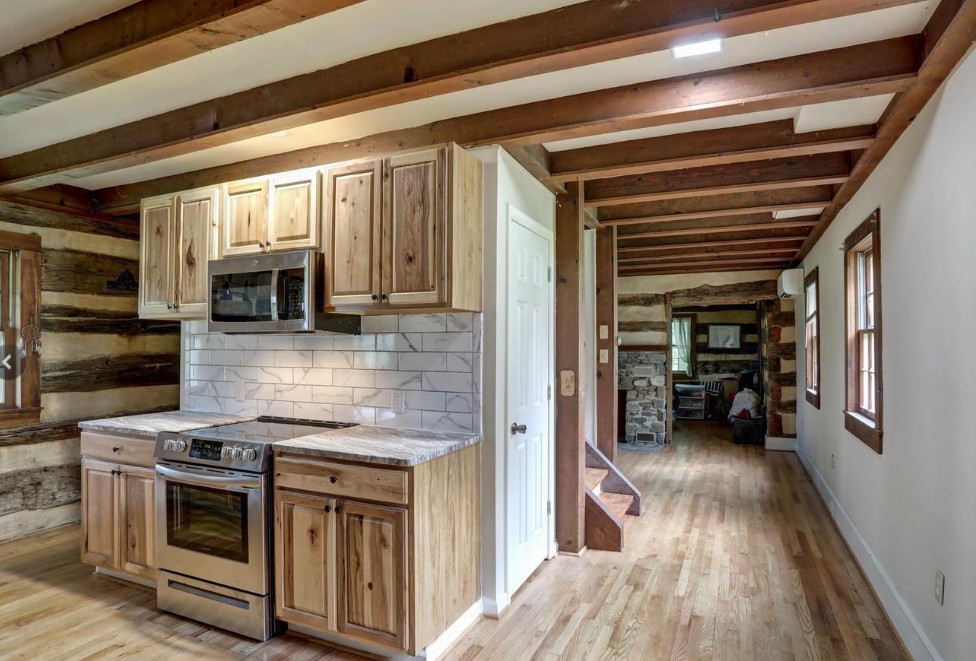
We sold the property as-is for $349K. The renovation pictured was completed by the buyer who purchased it from us. The $115,050 profit reflects our wholetail exit, not the renovation work.
Freddie scored this deal 100/100 — not because of cap rate, but because of ARV cushion, quick exit, and clean profit margin. Know which metric to apply to each deal type.
"Cap rate lesson: applying the wrong metric to the wrong deal type will make a great deal look terrible. Know when cap rate matters — and when it doesn't."
Cap Rate FAQ
What is cap rate in real estate?
Cap rate (capitalization rate) is Net Operating Income divided by property value, expressed as a percentage. It measures a property's income-generating potential independent of financing. Higher cap rates indicate higher yield but often higher risk.
What is a good cap rate?
Cap rates vary by market and property type. In high-cost metros like Northern Virginia or DC, 4–6% is common for single-family rentals. In secondary markets, 7–10%+ is achievable. Multi-family typically runs 5–8%.
How do I calculate cap rate?
Cap Rate = NOI / Property Value. NOI is gross rent minus vacancy, management, taxes, insurance, maintenance, and other expenses — before mortgage payments. Freddie calculates it automatically.
Does cap rate work for distressed properties?
Not well. Cap rate requires stabilized rental income. A hoarder house or heavily distressed property often has zero income and high vacancy risk — making cap rate useless until after renovation and stabilization.
When should I use cap rate vs cash-on-cash?
Use cap rate to compare properties without financing. Use cash-on-cash to evaluate your personal returns with leverage. Both metrics together give you a complete picture of a buy-and-hold investment.
Can I use cap rate to decide between flip and rental?
Indirectly, yes. If the cap rate at ARV is low (below 5%), the market doesn't value that property as a rental — it's a flip or wholetail market. High cap rates suggest strong rental demand. Freddie models both exit paths and shows which pencils better.
Calculate your cap rate now
Free. No credit card. No expiration.